Basketball Club Teams in San Diego with a Strong Team Culture
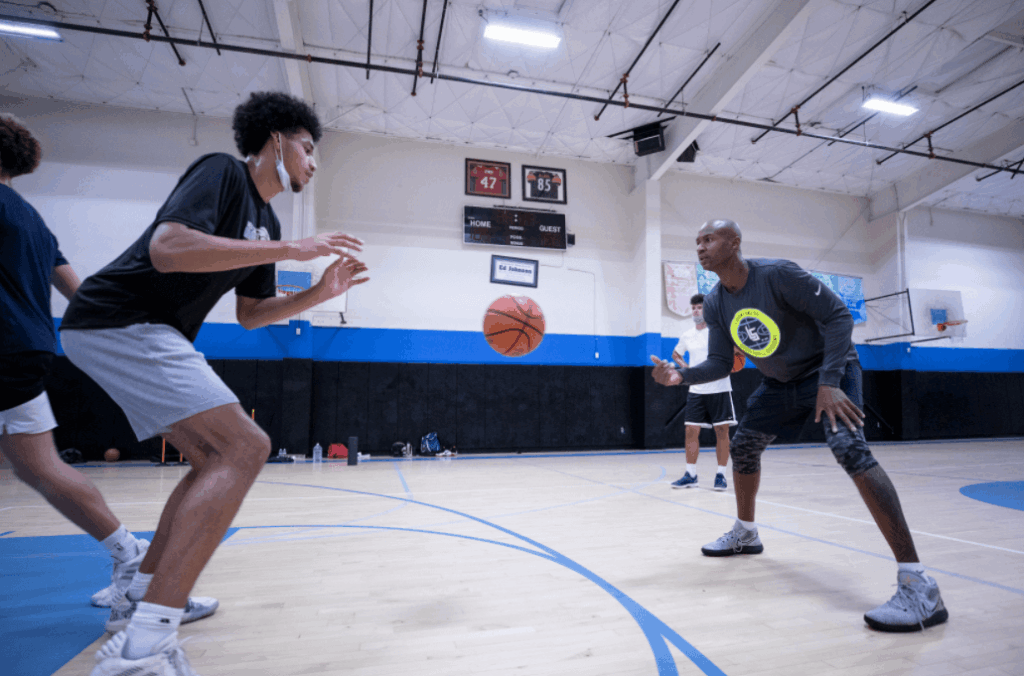
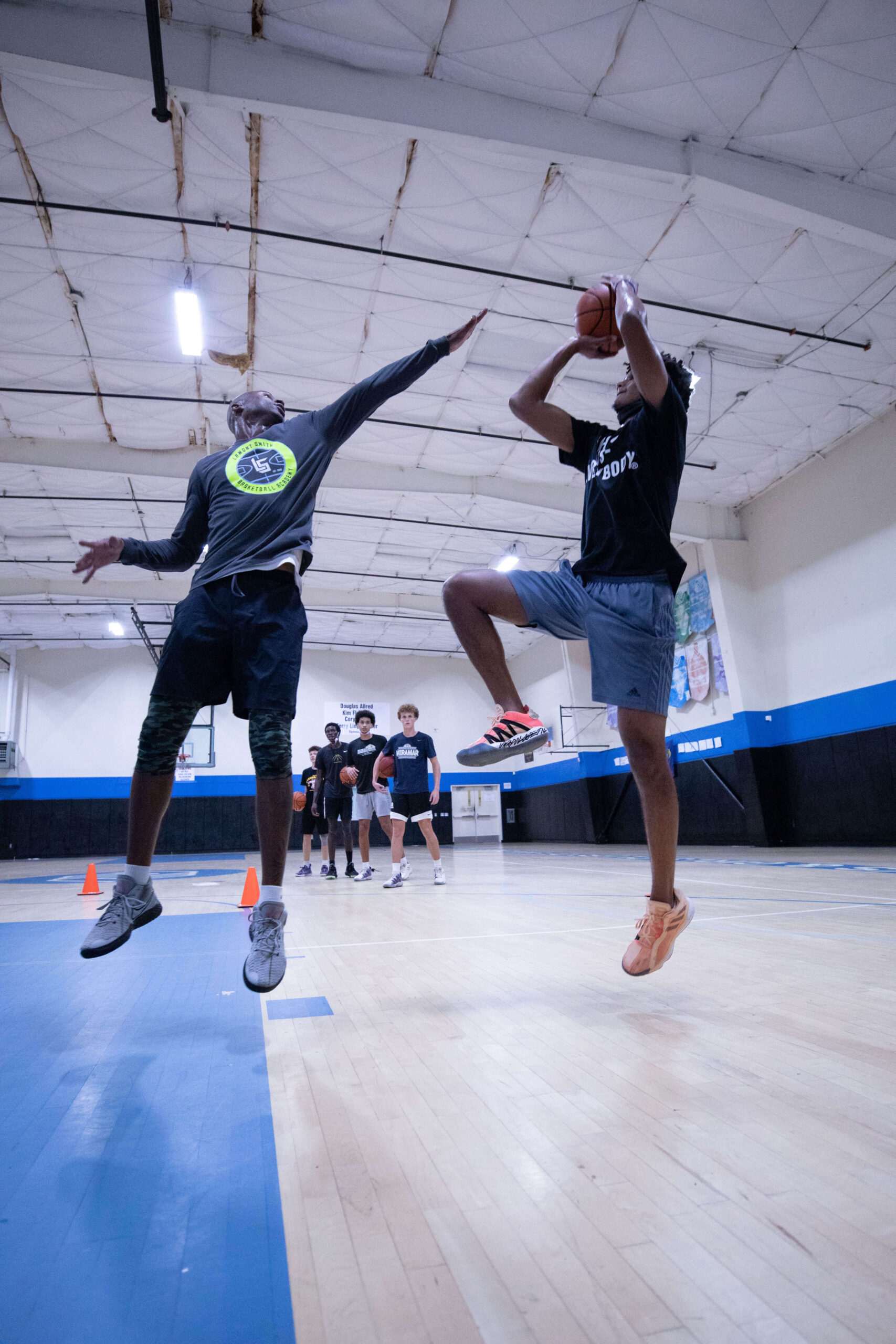
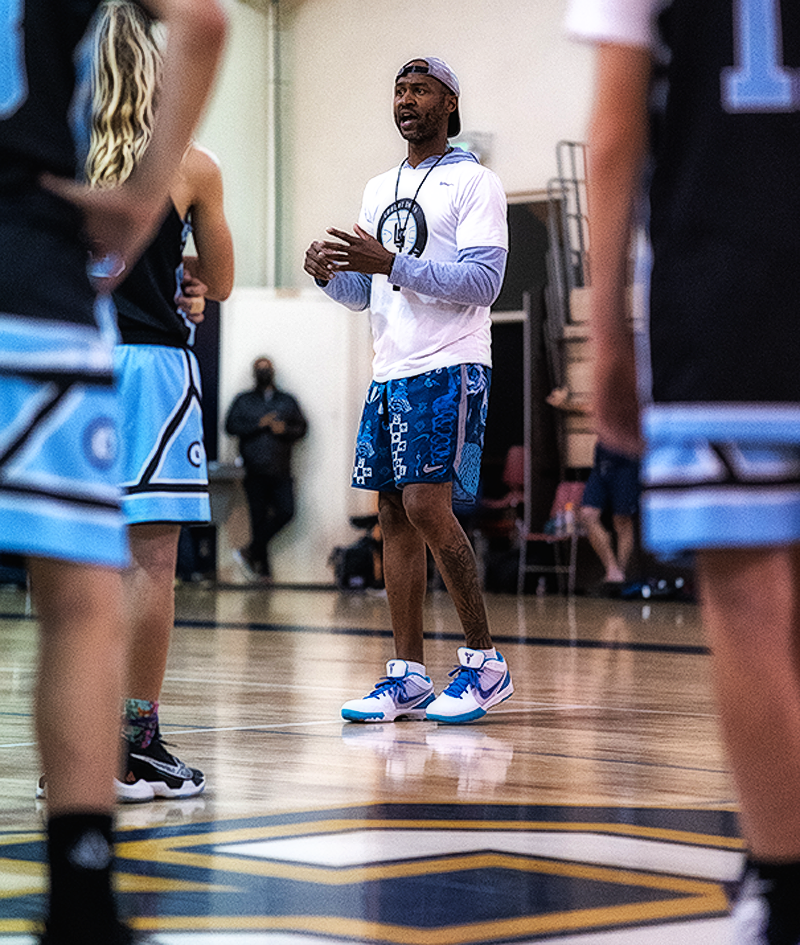
San Diego has no shortage of basketball options. On any given week, families can find club practices in school gyms, rec centers, church facilities, and private training spaces from Chula Vista to Carlsbad. There are teams that travel heavily, teams that stay more local, teams built around elite exposure, and teams designed for steady development. The hard part is not finding a place to play. The hard part is finding a place where players are taught well, pushed appropriately, and surrounded by people who make them better.
That is where team culture matters.
When parents search for Basketball Club Teams San Diego families actually trust, they often begin with obvious questions. Does the team win. Who is the coach. How many tournaments are on the calendar. What is the monthly cost. Those things matter, but after years around youth basketball, they are rarely what determines whether a player thrives. Culture does.
A strong team culture shows up in small, repeatable moments. Players arrive on time because it is expected. Teammates celebrate the extra pass, not just the player who scored. Coaches correct bad body language immediately. Parents know when to cheer and when to stay quiet. Players understand their role, even when they want more. Over time, those habits create confidence, resilience, and trust. Talent still matters, of course. So does athleticism. But culture is often the difference between a team that looks good in warmups and a team that grows over the course of a season.
What strong team culture actually looks like
The phrase gets used loosely, so it helps to define it. Strong culture is not just positive energy. It is not a catchy slogan on a T-shirt. It is not a social media feed filled with highlight clips and motivational quotes. Real team culture is a set of behaviors the program reinforces every week.
On good club teams, players know what is nonnegotiable. Effort on defense. Communication in drills. Respect toward officials. Accountability after mistakes. Attention during instruction. Those standards are not saved for game day speeches. They are visible in ordinary practice segments, especially when players are tired or frustrated.
One of the clearest signs appears after something goes wrong. A player turns the ball over in transition. A teammate misses a rotation. A starter gets benched for poor focus. On a healthy team, corrections are direct but measured. Players do not spiral. Coaches do not humiliate. Teammates do not isolate the player who made the mistake. The group resets and gets back to work.
That sounds simple, but it is rare.
Too many youth teams confuse intensity with instability. Loud coaches can be effective, but volume alone does not create discipline. Likewise, teams that act like a family on Instagram may still have weak standards behind closed doors. Strong culture is usually less dramatic than people expect. It feels steady. Clear. Consistent.
Why San Diego families should care about culture as much as competition
San Diego is a big enough basketball market to offer real variety, but it is still a relationship-driven scene. Coaches talk. Trainers know which players work. Families compare notes. High school staffs often recognize which club environments prepare athletes well and which ones leave them with bad habits.
That makes culture more than a feel-good topic. It has practical consequences.
A player in a strong environment usually improves faster because practice reps are cleaner. There is less standing around, less chaos, and less emotional noise. Players learn how to take coaching without shutting down. They also learn how to compete for minutes without turning every session into a personal referendum. Those are skills that carry into high school basketball, and later into college environments for the small percentage who reach that level.
Culture also protects players during uneven stretches. Every athlete goes through them. Shots stop falling. Growth spurts affect coordination. Confidence dips. The team’s record wobbles. In a poor environment, those stretches become identity crises. In a strong one, they become part of the process.
For parents, the difference often shows up in the ride home. If every weekend feels tense, political, and transactional, something is wrong. Club basketball is supposed to be demanding, but it should not feel corrosive.
The local reality, talent is everywhere, fit is not
One reason San Diego can be tricky is that talent is spread across the county. There are serious players in North County, central San Diego, South Bay, and East County. Some kids commute across multiple neighborhoods for the right coach. Others stay close to home because the schedule has to work for school and family life. Neither approach is automatically better.
What matters is fit.
A very talented player can stall on a roster where touches are scarce and communication is poor. Meanwhile, a less heralded player can blossom on a team that teaches clearly, values defense, and gives honest feedback. I have seen players leave a flashy program and improve almost immediately once they entered a healthier structure. Better spacing. More deliberate skill work. Fewer mixed messages. More accountability. Their confidence returned because their environment started making sense.
This is especially important in middle school and early high school years. Families can get seduced by the strongest brand in the room. Sometimes that is the right move. Sometimes it puts a player in a system where they practice hard, travel a lot, and still do not get the repetitions or role clarity they need. Strong culture includes an honest understanding of where a player fits today, not just where they hope to be eventually.
The green flags that show up early
When evaluating Basketball Club Teams San Diego parents are considering, the best clues often appear before the first tournament. Watch how a program handles a tryout, a practice, and a short parent conversation. You can usually tell whether standards are real.
Here are five green flags worth noticing:
- Coaches are specific. They teach with clear corrections rather than vague demands to “play harder” or “want it more.”
- Players stay engaged when they are not the center of attention. That usually means expectations have been reinforced over time.
- Effort and attitude are praised as much as scoring. This is a major marker of what the team truly values.
- Parents receive direct communication about schedule, cost, and philosophy. Ambiguity often signals disorder.
- The best players are coached, not catered to. If stars are allowed to ignore details, the culture will eventually crack.
That last point matters more than many families realize. Every program says it values accountability. Not every program is willing to hold its top players to the same standard. If the best athlete can jog back on defense, disrupt practice, or dismiss teammates without consequence, everyone else notices. Culture becomes selective, and selective culture does not last.
What weak culture looks like, even when the team wins
Winning can hide a lot.
A talented roster may still be a poor developmental environment if the offense revolves around one player freelancing, the bench feels disconnected, and practices swing between boredom and chaos. Results can make adults overlook warning signs because trophies create cover. But once adversity hits, weak culture usually exposes itself quickly.
You might see players rolling their eyes during film. You might hear parents debating playing time in the bleachers as if the coach works for them. You might notice that players are enthusiastic only when games are close and minutes are guaranteed. Some teams https://johnnyaqhs405.quantlynix.com/posts/top-reasons-to-join-basketball-club-teams-san-diego-this-year hold together only as long as they are winning by ten. The moment they face a bigger, tougher, more disciplined group, frustration takes over.
A healthy club team can lose and still look strong. Players huddle on their own. Coaches make adjustments instead of panicking. The bench remains engaged. After the game, the group processes the loss with perspective. Those teams tend to improve because their identity is not fragile.
Coaching style matters, but so does coaching structure
Families often ask whether a coach is “hard” or “player friendly,” but that is not the right distinction. Plenty of demanding coaches build excellent cultures. Plenty of easygoing coaches do too. The better question is whether the coach is consistent, prepared, and capable of teaching under pressure.
A strong club coach usually does a few things well. Practice plans move. Drills have purpose. Standards are repeated enough that players know what matters. Corrections are connected to a bigger framework, not delivered randomly based on mood. Most importantly, the coach can balance individual development with team needs.
That balance is difficult. A player may need on-ball reps to grow, while the team may currently function better with the ball in someone else’s hands. A good coach does not dodge that tension. They explain roles honestly and then create development pathways within those roles. Maybe the player handles the ball more in practice. Maybe they get specific reps in a secondary unit. Maybe the staff outlines what must improve before the role expands. That kind of clarity builds trust, even when the answer is not what a family wants to hear.
The opposite is common in youth basketball. Roles change without explanation. Minutes feel political. Feedback is vague. Players are told to “keep working,” but no one defines the work. Culture erodes when communication does not match reality.
Parents shape culture more than they think
No serious conversation about club basketball should ignore the parent factor. In many cases, the quality of a team’s culture depends as much on adult behavior in the stands and parking lot as it does on coaching.
The strongest programs set expectations early. They explain communication channels, boundaries, and game day conduct. Parents are encouraged to support the team, not coach from the sideline. Questions are welcome, but not in emotional moments right after games. Families understand that development is not always linear and that temporary frustration is part of competitive sports.
When that structure is missing, friction grows fast. One family complains about touches. Another questions the defensive scheme. A third starts comparing tournament minutes across group chats. Players hear all of it, even when adults think they do not. Soon the team has two voices, the coach’s voice in the gym and the parent voice in the car. Players caught between those messages often lose confidence or start performing for approval instead of playing with freedom.
In San Diego, where many basketball circles overlap through school teams, trainers, and local tournaments, reputation travels quickly. Programs that manage the parent side well tend to keep healthier locker rooms.
Development is not just skill work
It is easy to assume development means ball handling drills, shooting reps, and vertical training. Those things matter. Good club programs should absolutely improve technical skill. But the teams with strong cultures develop players in broader ways.
They teach decision-making. They demand spacing discipline. They build defensive habits that hold up against good competition. They help players understand pace, timing, and game context. They also create emotional development, which is often overlooked until a player lacks it.
A ninth grader who can absorb hard coaching, stay locked in after two mistakes, and defend with discipline is far more valuable than a talented scorer who unravels when the game gets physical. Club environments either train those habits or they do not. Strong culture makes them visible and repeatable.
This is one reason some players make big jumps after one year with the right team. Their shooting form may look similar. Their handle may be only slightly tighter. But their poise changes. They know where to stand. They understand help defense. They communicate earlier. They stop chasing highlights and start making winning plays. Coaches at the high school level notice that immediately.
The cost question, and what families should really calculate
Club basketball in San Diego can be expensive. Team fees, uniforms, travel, training, weekend food, and missed family time add up quickly. A cheaper team is not automatically better value, and a more expensive one is not automatically better development.
The real question is return on investment.
If a player practices twice a week in a well-run environment with meaningful teaching, strong accountability, and competitive games, that may be a better use of time and money than joining a premium-priced roster where they rarely touch the ball and receive little instruction. Exposure has its place, but exposure without readiness often becomes expensive spectating.
This is where families need a little discipline. Not every player needs the same pathway. Some are ready for heavy travel and elite events. Others need one stable season of skill-building, confidence, and role clarity. Chasing the highest-profile logo too early can create more stress than growth.
Questions worth asking before you commit
A short conversation with a coach can reveal a lot, especially if you ask practical questions rather than fishing for promises.
Consider asking:
- How do you define a successful season for this team beyond wins and losses?
- What does practice typically look like, and how much time is spent on teaching versus scrimmaging?
- How do players earn bigger roles or more responsibility?
- How do you handle parent communication and concerns about playing time?
- What kind of player tends to do well in your program?
Notice what happens after each answer. Strong coaches do not need to oversell. They can explain their philosophy plainly. Weak programs often lean on branding, future guarantees, or comparisons to other teams.
Also pay attention to whether a coach asks about your child. Their strengths. Their habits. Their goals. Coaches who care about fit tend to ask better questions.
San Diego’s basketball calendar can either support culture or undermine it
One challenge in the local club scene is over-scheduling. Between school ball, travel tournaments, private training, and open gyms, some players are active nearly year-round. There is value in repetition, but there is also a point where more basketball stops being productive basketball.
Strong clubs understand pacing. They know when players need competitive reps and when they need technical work. They know when to push through fatigue and when to back off before sloppiness becomes habit. They also understand that players in San Diego often balance academics, other sports, and family commitments. A team does not need to be casual to be humane.
Programs with healthy cultures usually communicate the calendar with enough lead time that families can plan. They are less likely to treat every tournament as mandatory proof of commitment. They value consistency, but they also understand longevity. Burned-out players do not become better players.
If your child is already on a team and something feels off
Not every concern means it is time to leave. Every competitive team has rough stretches. Roles can be frustrating. Coaches can be demanding. Teammates can be immature. The key is to separate normal tension from structural problems.
If your child is being challenged, receiving useful feedback, and still wants to go to practice, that is often a good sign even if minutes are inconsistent. Growth rarely feels comfortable. On the other hand, if the environment is consistently chaotic, communication is poor, and the player is becoming anxious or disengaged, the issue may be cultural rather than temporary.
Families sometimes stay too long because they do not want to seem disloyal or because they fear losing status. That is understandable. But youth basketball moves quickly. A season in the wrong setting can cost confidence, joy, and development.
The best decision is not always the most prestigious one. It is the one that places the player in a competitive environment where standards are clear, teaching is real, and the people around them raise their level.
The teams that last usually build from the inside out
Across the youth landscape, the most respected programs are rarely the ones chasing the loudest moment. They build habits first. They create identity before hype. They understand that strong culture is not soft and it is not accidental. It is demanding. It asks players to be coachable, teammates to be generous, and parents to stay in their lane. It asks coaches to prepare, communicate, and hold everyone accountable, including their stars.
That kind of environment is what many families are really looking for when they search for Basketball Club Teams San Diego players can trust with their development. They may start with rankings, tournament names, or recommendations from friends. Eventually, though, most of them land on the same truth. The right team is not just the one with talent. It is the one where talent is organized around standards.
When you find that, progress tends to follow. Players improve because the work has shape. Confidence grows because expectations are fair. Games become more than auditions for the next event. They become part of a real developmental arc.
And for young athletes, that is the culture worth chasing.
Lamont Smith Basketball Academy
888 Clairemont Mesa Blvd Suite T-2, San Diego, CA 92123
(619) 639-8778
FAQ About Basketball Club Teams San Diego
How can a player join an LSBA club team?
Players are evaluated during practices so the coaching staff can recommend an appropriate team and development level. Families should contact the academy to confirm current openings and evaluation details.
Are club teams available for newer basketball players?
Yes. LSBA describes multiple levels, including a developmental option for newer players as well as more competitive teams for athletes with prior club experience.
What do LSBA club team practices emphasize?
Practices emphasize basketball fundamentals, team defense, structure, communication, and player development. The specific focus may vary according to the team and experience level.
Do all LSBA teams travel?
Travel expectations vary by level. Some teams focus on local competition, while advanced teams may participate in tournaments elsewhere in Southern California or beyond. Families should confirm the current schedule before enrolling.